
Best Bumper Plates for Home Gym Complete Guide
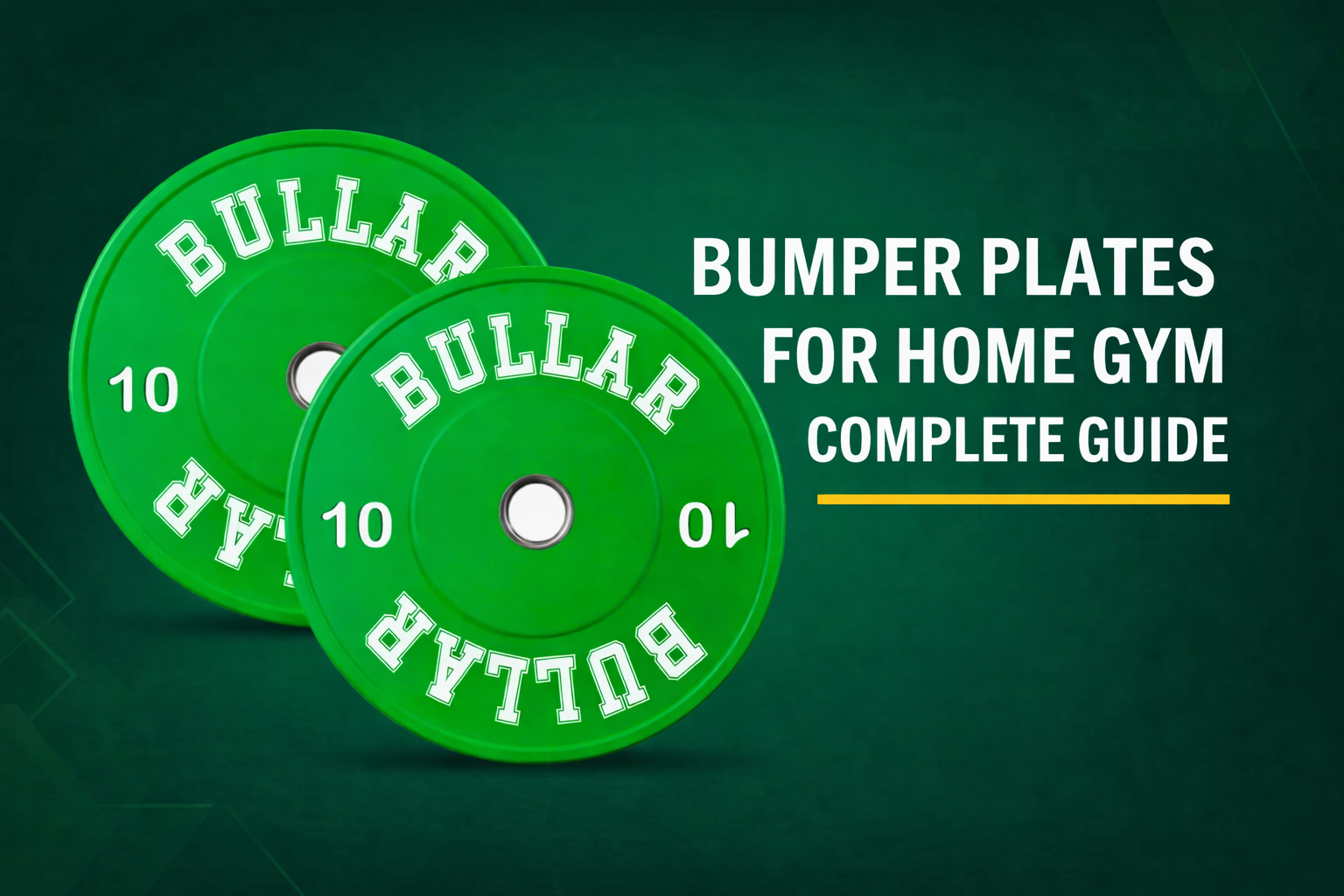
Bumper plates are one of the most essential pieces of equipment in modern strength training, especially in Olympic weightlifting and functional fitness environments. Unlike traditional iron plates, bumper plates are designed to be dropped safely from overhead without damaging the barbell or the floor. Their unique construction and performance benefits make them a preferred choice in gyms, training facilities, and home setups.
Whether you are a beginner starting your fitness journey or an experienced lifter aiming to improve performance, understanding bumper plates can help you make smarter equipment choices and train more effectively.
What Are Bumper Plates?

Bumper plates are weight plates made primarily from dense rubber material, often with a steel insert in the center. They are specifically designed to be used with Olympic barbells,If you’re unsure how to choose the right barbell, check out our detailed guide on How to Choose the Best Olympic Barbell.
The defining feature of bumper plates is their ability to absorb impact. When dropped from height—such as during Olympic lifts like the snatch or clean and jerk—they reduce noise, protect flooring, and minimize damage to equipment.
Key Features of Bumper Plates
1. Durable Rubber Construction
Bumper plates are made from high-quality rubber compounds that provide flexibility and resilience. This allows them to withstand repeated drops without cracking or breaking.
2. Standardized Diameter
Most bumper plates have a uniform diameter (typically 450 mm), regardless of weight. This ensures consistent lifting mechanics, especially for Olympic lifts.
3. Steel Inner Ring
The center of the plate contains a steel insert that ensures a secure fit on the barbell sleeve and prevents wear over time.
4. Low Noise Levels
Compared to iron plates, bumper plates significantly reduce noise during drops, making them ideal for home gyms and shared training spaces.
5. Floor Protection
Their shock-absorbing nature protects gym flooring from damage, which is especially important when lifting heavy weights.
Types of Bumper Plates
1. Standard Bumper Plates
These are the most common and cost-effective option. They are suitable for general strength training and moderate dropping.
2. Competition Bumper Plates
Designed for professional use, competition plates are thinner, more precise in weight calibration, and color-coded according to international standards.
3. Crumb Rubber Plates
Made from recycled rubber, these plates are more affordable and environmentally friendly. However, they tend to be thicker and may have slight weight variations.
4. Training Bumper Plates
These fall between standard and competition plates, offering better durability and accuracy without the high cost of competition-grade equipment.
Benefits of Using Bumper Plates

1. Safety During Lifts
Bumper plates allow lifters to safely drop the barbell without risking injury or equipment damage. This is crucial for exercises like snatches and clean and jerks.
2. Versatility
They are suitable for a wide range of workouts, including CrossFit, strength training, and high-intensity interval training (HIIT).
3. Reduced Equipment Wear
Because they absorb impact, bumper plates extend the lifespan of both barbells and gym flooring.
4. Beginner-Friendly
For new lifters, bumper plates provide confidence to perform lifts without worrying about controlling the descent perfectly.
5. Improved Training Efficiency
They allow faster transitions between reps and sets, especially in dynamic workouts.
Bumper Plates vs Iron Plates
| Feature | Bumper Plates | Iron Plates |
|---|---|---|
| Material | Rubber | Cast Iron |
| Drop Safety | High | Low |
| Noise Level | Low | High |
| Floor Protection | Excellent | Minimal |
| Thickness | Thicker | Thinner |
| Cost | Higher | Lower |
Bumper plates are ideal for dynamic lifting and safety, while iron plates are better suited for traditional strength training where dropping is not required.
How to Choose the Right Bumper Plates
1. Consider Your Training Style
If you perform Olympic lifts or CrossFit workouts, bumper plates are essential. For basic strength training, they are optional but still beneficial.
2. Check Weight Accuracy
Higher-quality plates offer better weight precision, which is important for progressive overload and competition training.
3. Evaluate Durability
Look for plates with strong steel inserts and high-density rubber to ensure long-term use.
4. Thickness Matters
Thicker plates limit how much weight you can load on the barbell. If you lift heavy, thinner plates are preferable.
5. Budget
While bumper plates are more expensive than iron plates, they provide added safety and longevity, making them a worthwhile investment.
Common Weight Variations
Bumper plates are typically available in the following weights:
- 2.5 kg
- 5 kg
- 7.5 kg
- 10 kg
- 15 kg
- 20 kg
- 25 kg
They are often color-coded in competition settings for easy identification.
Maintenance and Care
To extend the lifespan of your bumper plates, follow these simple maintenance tips:
- Avoid dropping plates on uneven or rough surfaces
- Store them in a cool, dry place
- Clean them regularly to remove dust and debris
- Use proper gym flooring or mats
Proper care ensures consistent performance and prevents premature wear.
Are Bumper Plates Worth It?
For most lifters, especially those focusing on functional training or Olympic weightlifting, bumper plates are absolutely worth the investment. They provide unmatched safety, durability, and versatility.
Even for home gym owners, the reduced noise and floor protection make them a practical choice.
Conclusion
Bumper plates have become a cornerstone of modern strength training due to their safety, durability, and performance benefits. Whether you're lifting for strength, endurance, or athletic performance, they offer a reliable and efficient solution.
Choosing the right bumper plates depends on your training goals, budget, and available space. By understanding their features and advantages, you can make an informed decision and enhance your overall workout experience.
FAQs About Bumper Plates
1. Can bumper plates be used on any barbell?
No, bumper plates are designed for Olympic barbells with a 50 mm sleeve diameter.
2. Are bumper plates better than iron plates?
They are better for dynamic lifting and safety, but iron plates are still useful for traditional strength training.
3. Why are bumper plates all the same size?
Uniform diameter ensures consistent lifting mechanics, especially for Olympic lifts.
4. Do bumper plates bounce when dropped?
Yes, but high-quality plates have controlled bounce to ensure safety.
5. How long do bumper plates last?
With proper care, they can last for many years even with regular use.